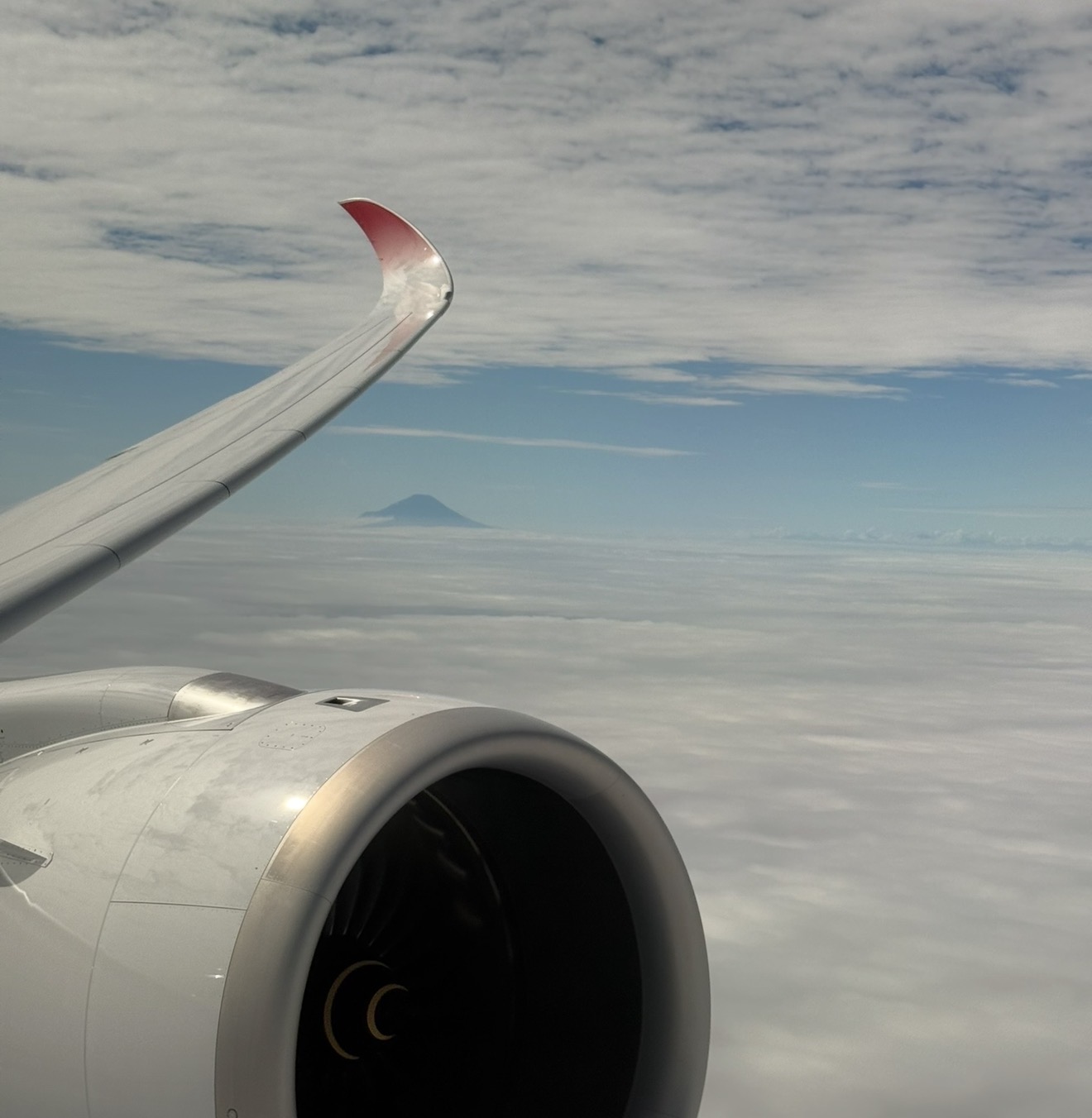
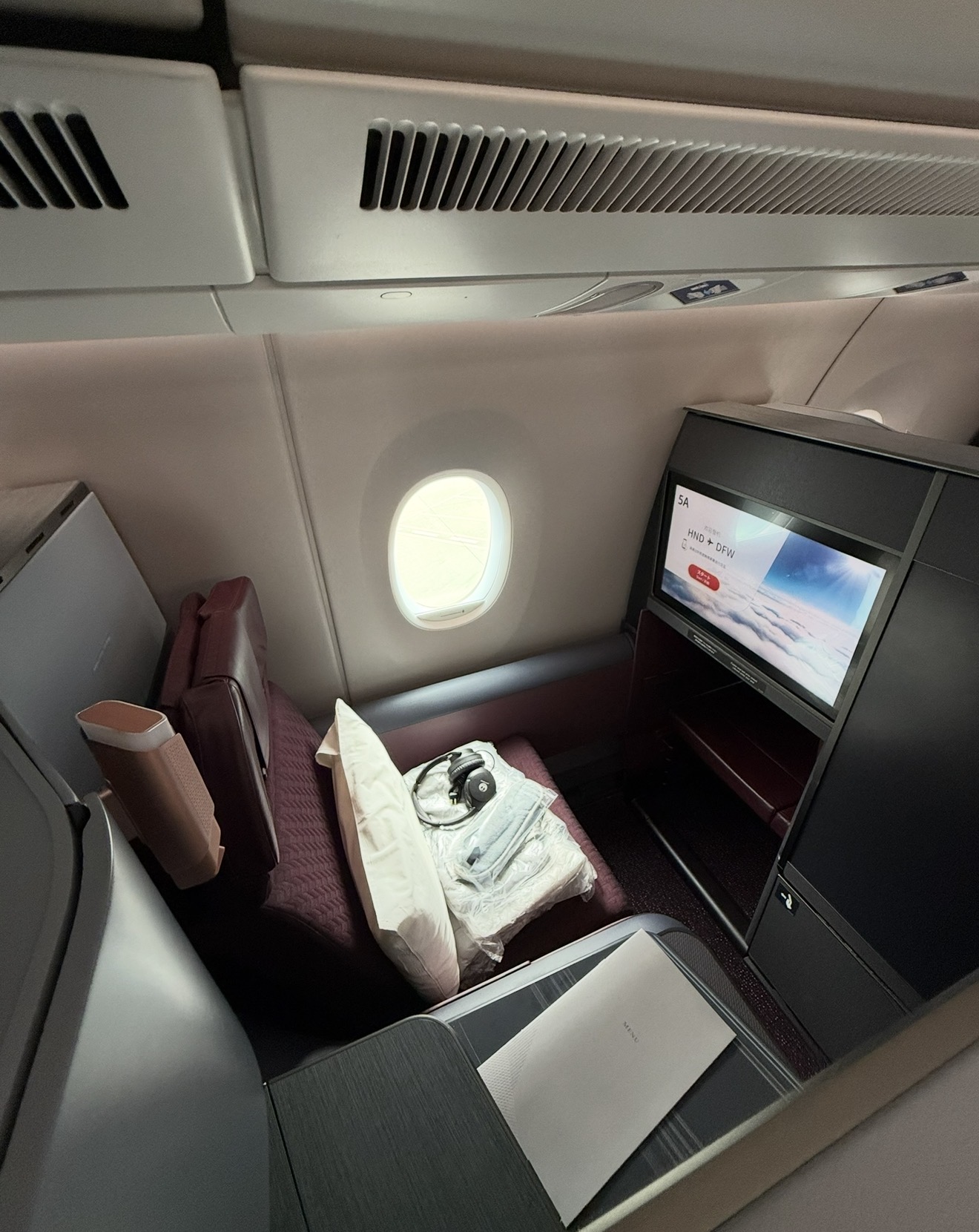
Short answer: Yes, you can absolutely book award flights and hotels inside 14 days of departure — and it’s often one of the highest-value uses of points and miles all year. Airlines and hotels dump unsold inventory into award space as departure approaches, which is why a business class seat that cost 200,000+ miles two months out can suddenly show up at 57,500-70,000 miles at T-10. The catch is you have to know where to look, how to move fast, and which programs actually play ball inside the 14-day window.
Last-minute travel happens to all of us. Whether it’s for a family emergency, a work trip that got sprung on you, or a spontaneous weekend getaway, finding affordable flights and hotels on short notice can be stressful. That’s where points and miles come to the rescue — and specifically, what the travel community calls “T-14” award availability.
In this guide, I’ll walk through exactly how I approach booking award travel within 14 days of departure: which programs to check first, which tools actually find the space, how to move points without stranding them, and when to just pay cash instead. If you’re flexible and willing to act quickly, T-14 travel can be one of the most rewarding (and cost-effective) ways to use your points and miles.
Be sure to join our free Facebook Group to stay up to date with points/miles news.
What Is T-14 Award Availability?
T-14 refers to the 14-day window before your travel date. During this time, airlines and hotels are working hard to fill remaining inventory. Revenue management teams look at load factors, cancellations, and upgrade activity, and then start releasing seats and rooms they had been holding back — sometimes in surprisingly generous ways.

This dynamic creates a unique opportunity for travelers like us. Airlines might release unsold premium cabin seats as award space, and hotels may open up rooms for points redemptions if they haven’t reached their expected occupancy. It’s not unusual to see a business class seat that was priced at 200,000+ miles at T-30 suddenly drop into saver space at 60,000-70,000 miles at T-10, because the airline would rather collect the taxes and fees on a redeemed seat than fly it empty. On the hotel side, a Category 4 Hyatt that “sold out” of award nights three weeks ago will often reappear at the standard 15,000-point rate seven days out once the property recalibrates its forecast.
But there’s a flip side: competition is fierce, especially for popular destinations or peak travel times. Holidays, spring break, and major event windows (think Super Bowl weekend, Formula 1 races, or Art Basel Miami) rarely see meaningful T-14 releases — those flights and hotels are already sold at cash rates the airline and property are thrilled with. Knowing how to navigate this landscape — and when to stop hunting and just pay cash — can make all the difference.
Step 1: Have Flexible Points Ready to Go
I can’t stress this enough: flexibility is key when booking within the T-14 window, and having a stash of transferable points is like carrying a Swiss Army knife for travel. Programs like Chase Ultimate Rewards, American Express Membership Rewards, Capital One Miles, Citi ThankYou Points, and Bilt Rewards give you access to multiple airline and hotel partners, increasing your chances of finding availability.
If you’re just starting to build a transferable points balance, the Chase Sapphire Preferred is still the easiest on-ramp — we break down exactly why in our Chase Sapphire Preferred 2026 review. For a broader foundation, our Points & Miles Masterclass walks through how to layer these currencies together. And if you want to see how a working stack looks in practice, our 2026 credit card stack covers the exact six cards I keep in rotation for situations like this.
My Process for Using Flexible Points:
- Confirm Availability: Before transferring points, I always confirm award availability through the partner program. Transfers are usually irreversible, so I double-check that seats or rooms are actually bookable. I’ll often go all the way to the payment page (without hitting “confirm”) to make sure the award is truly live.
- Transfer Quickly: Most major programs like United MileagePlus, British Airways Avios, Air Canada Aeroplan, and Hyatt process transfers instantly or within minutes. Some partners are slower — Amex to Singapore KrisFlyer can take 24-48 hours, and Amex to ANA can take 2-3 days — which makes them essentially useless for T-14 bookings unless you already have miles sitting in the account. For that reason, I keep small “seed” balances of a few thousand miles in slow-transferring programs just so I can top them up quickly when I need to.
- Keep Track of Transfer Ratios: Not all programs have a 1:1 transfer ratio. For example, Amex points transfer to ANA at 1:1, but to Hilton Honors at 1:2 and to Marriott at 1:1 (with the caveat that Marriott points are worth roughly half a cent each). Knowing these details ensures I don’t over-transfer.
- Watch for Live Transfer Bonuses: Even at T-14, an active transfer bonus can turn a decent redemption into a great one. I always check the current transfer bonus guide before pulling the trigger, in case a 25-30% bump is running.
Step 2: Use Tools to Find Last-Minute Award Space
Finding award space at T-14 can feel like searching for a needle in a haystack, but the right tools make it manageable. Here’s what I use:
For Flights:
- ExpertFlyer: This tool lets me set alerts for specific routes, classes, and dates. It’s a game-changer when hunting for premium cabin seats — I’ll set an alert for “I” or “J” class on a specific United or Lufthansa flight and get notified the moment inventory opens. At around $10/month for the basic plan, it pays for itself the first time it snags you a business class seat.
- Point.me and Seats.aero: These services simplify award searches across dozens of programs at once. Point.me is better for structured itineraries and shows you the cheapest program for a given route; Seats.aero is faster and better for browsing where award space actually exists on a given day. Seats.aero’s Pro tier (around $10/month) unlocks live searches and is what I use most inside the T-14 window because cached results go stale fast.
- Air Canada’s Aeroplan: Aeroplan is one of the most powerful T-14 tools because it can see partner space across Star Alliance (United, Lufthansa, ANA, Turkish, etc.) plus non-alliance partners like Etihad and Emirates. Aeroplan also lets you mix partners on one award and pays out solid mixed-cabin pricing. If you’re new to it, our Aeroplan redemptions guide shows how the pricing chart actually works.

- Google Flights + Airline Sites: I start with Google Flights to identify routes and then cross-check availability directly with airline loyalty programs. Google Flights won’t show you award pricing, but it’s the fastest way to see which carriers even operate a route on your target day.
- American AAdvantage & Alaska Mileage Plan: Both are worth checking for last-minute Oneworld space (British Airways, Iberia, Qatar, JAL, Cathay). Alaska in particular can surface Qatar Qsuites space that AA won’t show you, and AA occasionally releases web-only “web special” awards inside 14 days that undercut standard saver pricing by 20-40%.

Before you book: check the award space
Search millions of award seats across airlines, and get alerts when the flights you want become available.


 +80
Free to search · alerts are paid · partner link
For Hotels:
- Hotel Loyalty Sites: I regularly search Marriott Bonvoy, Hilton Honors, and World of Hyatt apps for points availability. Many chains let me filter searches to show points-eligible stays. Hyatt is by far the most useful for last-minute stays because standard rooms almost always price at the fixed award chart rate.
- OTAs and Direct Calls: If I can’t find availability online, I sometimes call the property directly. Surprisingly, they may release rooms for points if occupancy is low. This works especially well for Hyatt properties — front desk managers often have discretion to open standard-room award inventory when they see a soft night ahead.
- Cash-Plus-Points and Buy Points Bonuses: With Hilton’s dynamic pricing, a last-minute cash rate can occasionally beat a straight points redemption. If Hilton is running a 100% buy-points bonus (which they run 2-3 times a year), buying points can even be cheaper than paying cash — that’s exactly what I did in our Beach House Fort Lauderdale review.
Step 3: Be Flexible with Routes and Properties
In my experience, the more rigid your travel plans, the harder it is to find good T-14 availability. Here’s how I stay adaptable:
- Consider Alternate Airports: For example, if I can’t find a direct flight into San Francisco (SFO), I’ll check Oakland (OAK) or San Jose (SJC). For NYC, the difference between JFK, LGA, EWR, and even HPN can be the difference between paying 12,500 miles and paying cash. For LA, LAX, BUR, LGB, SNA, and ONT are all fair game.
- Adjust Your Class of Service: While I love flying business class, economy redemptions are often more plentiful at the last minute. A 4-hour domestic economy flight for 7,500-12,500 miles is still an excellent use of points, especially when cash fares balloon past $500 close to departure.
- Consider a Connection: Nonstop award space is the first to go. A one-stop itinerary through a hub like DEN, ORD, or IAH often opens up saver-level space when the nonstop is bricked. On international routes, a connection through a partner hub (FRA on Lufthansa, IST on Turkish, DOH on Qatar) is often the only way to find business class inside 14 days.
- Explore Nearby Hotels: Staying a little farther from the city center often means better award availability and lower point requirements. A Category 3 Hyatt Place 15 minutes outside the CBD (12,000 points/night off-peak) can beat a Category 6 downtown property (21,000-29,000 points/night) both in availability and value.
Step 4: Act Quickly When You Find Availability
T-14 award space is volatile—what’s available now might disappear in minutes. When I find something that works, I book it immediately. Here’s how I stay prepared:
- Logins Ready: I keep my loyalty program credentials saved securely in a password manager so I can log in and book without delays. For programs I use rarely (Turkish Miles&Smiles, LifeMiles, etc.) I also make sure my account isn’t locked from inactivity before I need it — Turkish in particular is notorious for locking accounts and requiring a phone call to unlock, which is a nightmare at 11 PM the night before a flight.
- Credit Card Handy: Even if I’m booking with points, taxes and fees still apply, so I use a travel rewards card to maximize earnings on these payments. A Chase Sapphire Reserve or Capital One Venture X earns extra on travel, plus gives you trip delay and cancellation protection that matters more on last-minute bookings.
- Backup Options: If I’m waiting on a transfer or need more time to decide, I sometimes hold a refundable cash ticket or book a flexible rate at a hotel. Southwest is great for this — their fares are fully refundable to Rapid Rewards points if you cancel before departure.
- Know the 24-Hour Rule: Every U.S.-ticketed award is eligible for a free 24-hour cancellation under DOT rules as long as departure is more than 7 days out. Inside 7 days, this protection disappears — so at T-6 or T-3, only book what you’re 100% sure about.
Step 5: Leverage Specific Program Perks
Each loyalty program has quirks that can work in your favor, especially close to departure. Here are a few I’ve used successfully:
Airlines:
- American Airlines AAdvantage: They often release last-minute premium cabin space on international routes. I’ve seen business class to Europe drop to 57,500-70,000 miles one-way at T-10 on their own metal, and Qatar Qsuites space to Doha frequently opens up inside 14 days for 70,000-75,000 miles one-way.
- Southwest Rapid Rewards: Because their points redemptions are tied to cash prices, last-minute domestic flights can be affordable, especially on less busy routes. If you have (or are chasing) the Southwest Companion Pass, the T-14 window is where it earns its keep — see our Companion Pass strategy guide for how to get one fast.
- United MileagePlus: Their saver awards are reliable for economy class within the T-14 window, particularly for Star Alliance partner flights. United is also generous about opening extra award space to its own elite members close to departure.
- Air Canada Aeroplan: Aeroplan’s dynamic pricing means last-minute domestic North American flights on partners can price anywhere from 6,000 to 20,000 points, and their fifth-freedom Etihad and EVA space is worth checking at T-14.
For a deeper look at which programs are currently the best value for premium cabins, check out our roundup of the best business class sweet spots right now.
Hotels:
- Marriott Bonvoy: I’ve found that unsold rooms at Marriott properties often appear for points bookings within a week of travel. Marriott’s off-peak/standard/peak pricing also softens close to departure at properties that aren’t hitting occupancy targets.
- World of Hyatt: Hyatt’s award chart consistency is a lifesaver. Even at T-14, I’ve booked incredible stays like the Park Hyatt Vienna (Category 7, 30,000 points/night) without paying inflated rates. Because Chase transfers to Hyatt at 1:1 instantly, this is the single strongest T-14 hotel play in the game.
- Hilton Honors: While dynamic pricing can be frustrating, I’ve used Hilton’s no blackout date policy to book rooms when cash prices were sky-high. The 5th-night-free perk (available to Silver-and-above members on standard award stays) is even more valuable at T-14 when cash rates are peaking.
- IHG One Rewards: Often overlooked, but IHG’s 4th-night-free perk with their premier credit card can turn a 3-night stay into a genuinely last-minute steal.
Step 6: Avoid Common Mistakes
Booking at T-14 isn’t without its challenges. Here are a few mistakes I’ve learned to avoid:
- Procrastinating Transfers: Award space can vanish quickly. I always transfer points as soon as I confirm availability — but only after I’ve held or seen the seat all the way to the payment step.
- Ignoring Fees: Some airlines, like British Airways, impose hefty surcharges on award tickets — a one-way transatlantic business class ticket can carry $600+ in fuel surcharges. I weigh these costs against cash fares to ensure I’m getting real value. For the same route, Aeroplan or United usually cost more miles but far less cash.
- Overlooking Cancellation Policies: Plans can change last minute, so I prioritize refundable options or flexible rates when possible. Once you’re inside 7 days, most airline award changes and cancellations come with fees or restrictions.
- Forcing a Bad Redemption: Sometimes the answer is just to pay cash. If a redemption gets you below ~1.2 cents per point of value, it’s usually better to book the cash fare on a card that earns transferable points and save your stash for a genuine sweet spot.
Step 7: Use Award Booking Services if Needed
If I’m overwhelmed or dealing with a complicated itinerary, I don’t hesitate to use an award booking service. While there’s usually a fee (typically $100-$250 per passenger for international premium cabin tickets), these services save time and often uncover availability I might have missed.
Services I’ve Tried:
- 10X Travel: Their team excels at finding creative routing options.
- Elevate Miles: Don’t forget about us! We actually provide this service, just send a DM on Instagram.
A Real-Life Example
Let’s say I needed to book a last-minute trip to New York for a conference. Here’s how I can make it happen:
- Flight: I can use Chase Ultimate Rewards to transfer points to United and book a saver award in economy for 12,500 miles, flying out of a nearby airport. If saver space is gone into JFK, I check LGA and EWR before giving up.
- Hotel: Hyatt came through with a Category 4 property in Manhattan, costing me just 15,000 points per night. Because Chase-to-Hyatt transfers are instant, I only moved the exact points I needed once I had the room held.
- Total Cost: Under $50 in taxes and fees for a two-day trip that would have otherwise cost me over $1,000 in cash bookings — a redemption value of roughly 2.3 cents per point, well above the 2.0 cpp benchmark I target for last-minute bookings.
Frequently Asked Questions
Can you really book award flights at the last minute?
Yes. Airlines routinely release unsold seats — including premium cabins — into award inventory inside the 14-day window because they’d rather earn taxes and fees on a redeemed seat than fly it empty. American Airlines, Air Canada Aeroplan, United, and Alaska are the most reliable programs for finding this space. The tradeoff is that availability is unpredictable, so you need flexible dates, flexible airports, and transferable points ready to move instantly.
What exactly does “T-14” mean in points and miles?
T-14 is shorthand for the 14-day window before departure. Airlines and hotels frequently adjust award inventory in that window — releasing unsold premium cabin seats or opening up standard-room award nights — because they’d rather have a redeemed seat or occupied room than an empty one. The term is used informally in the miles community and isn’t an official industry designation.
Which airline is the best for booking last-minute business class with points?
American Airlines AAdvantage and Air Canada Aeroplan are two of the most reliable for T-14 business class. American routinely releases its own transatlantic business class seats close to departure at 57,500-70,000 miles one-way, and Aeroplan gives you access to Star Alliance partners plus Etihad. Alaska Mileage Plan is also worth checking for last-minute Qatar Qsuites space that AA won’t display.
Should I transfer points before or after I confirm award space?
Always confirm space first. Transferable points from Chase, Amex, Capital One, and Citi are almost never reversible once they leave your account, so you want to walk the booking all the way to the payment screen with the partner airline or hotel before transferring. For partners with instant transfers (United, Hyatt, Aeroplan, British Airways), you can transfer the exact number of points needed the moment you’re ready to book.
Can I still get good value booking hotels with points at T-14?
Yes — especially with Hyatt, since their award chart is fixed and standard-room redemptions don’t spike near check-in the way dynamic programs (Hilton, Marriott, IHG) can. For dynamic programs, the trick is to compare the points cost against the current cash rate and target a redemption value of at least 0.5 cents per Hilton point or 0.7 cents per Marriott point.
Is it better to pay cash or use points for a last-minute trip?
It depends on the redemption value. If your points would get you less than about 1.2 cents per point in value versus the cash fare, pay cash — ideally on a card that earns transferable points, so you’re replenishing your stash for a better redemption later. But when last-minute cash fares triple or quadruple (as they often do), using points to lock in a fixed cost is one of the most valuable moves in this hobby.
Final Thoughts: Making the Most of T-14 Award Travel
Booking award travel within the T-14 window can feel like a high-stakes game, but with the right preparation and mindset, it’s entirely possible to score incredible deals. The keys are flexibility, vigilance, and knowing how to leverage your points for maximum value.
The next time you’re faced with a last-minute trip, don’t panic. Dive into your points and miles arsenal, use the strategies in this guide, and enjoy the satisfaction of turning what could be a costly hassle into a rewarding travel experience.
What that balance actually books
Earning the points is the easy part. Whether they turn into a seat depends on flight award space, which no transfer chart or earning guide will tell you. Seats.aero searches every major program at once so you can see what your balance books on real dates.